Independent learners – it’s all in the ‘search’

May 9, 2012

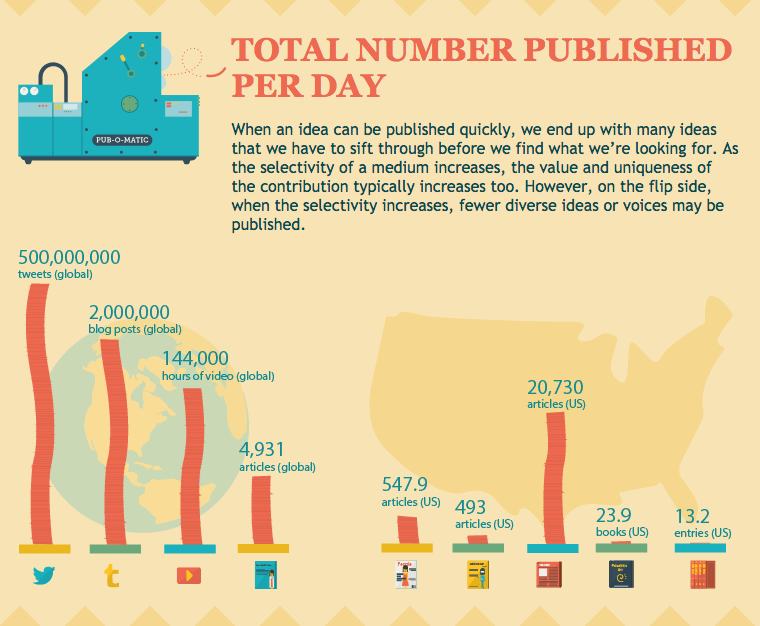
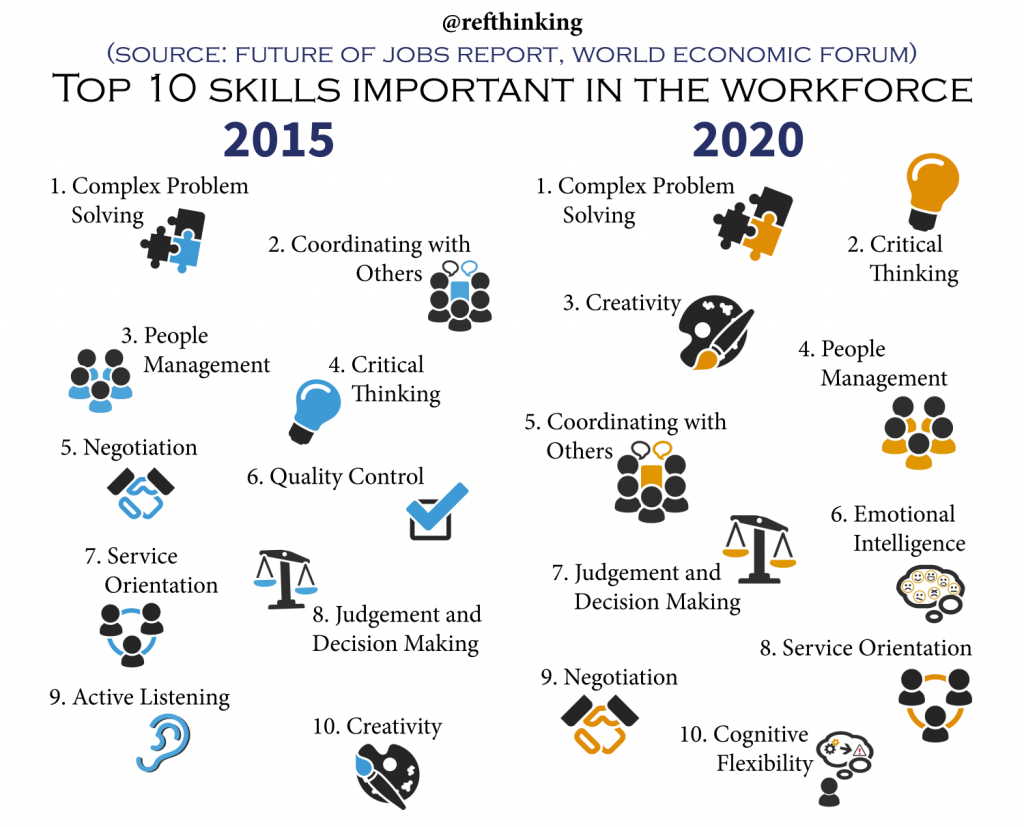
Critical thinking skills are extremely important in order for students to be able to search and find relevant information to meet their research needs. This video clip  states that there is now a new digital divide – “those that are able to search and those that are not able to search.” Google provides online tools, webinars and lesson plans to help teach students search skills.

Many students go straight to the search box without noticing the many extra tools that help to narrow the search field down to relevant information.
AND…Don’t forget that our school library offers Teacher Librarian support and seminars to improve information and digital literacy.


Free audio books – Pairing Young Adult fiction with classics

May 4, 2012

Download links will be posted at www.audiobooksync.com.

Teens can get two free audiobook downloads each week this summer for ten weeks through SYNC, a joint venture between audiobook publishers and AudioFile Magazine.

For ten weeks two audio books per week will be able to be freely downloaded. One will be a Young Adult fiction and the other a classic of similar theme.


The first pair will be: “June 14-20:The Eleventh Plague by Jeff Hirsch (Scholastic Audiobooks) and The Grapes of Wrath by John Steinbeck, adapt. by Frank Galati (L.A. Theatre Works)”


Learning through Play – Play dough Circuits

May 1, 2012

Playing with Play dough can be turned into a science lesson for the very young. In her TED talk, AnnMarie Thomas describes how to make a circuit using the normal Play dough recipe containing salt then adding into the ‘game’ some playdough made with sugar.

“Play dough can be used to demonstrate electrical properties — by lighting up LEDs, spinning motors, and turning little kids into circuit designers.”


TED-Ed: Turn a video into a lesson… and share

April 27, 2012

Early in March the new video channel TED-Ed was introduced. The platform is now more than just a repository.

Within the growing TED-Ed video library, you will find carefully curated educational videos, many of which represent collaborations between talented educators and animators nominated through the TED-Ed platform. This platform also allows users to take any useful educational video, not just TED’s, and easily create a customized lesson around the video.

This facilitates a new trend called “Flip Teaching” where students watch a prepared video lesson at home and class time is devoted to discussion, building ideas and creative responses.

TED-Ed enables shared lessons via Twitter, Facebook or email with the ability to check who has viewed your lesson and how they progressed in any activities within the lesson – with their permission.


ANZAC Day – Remembering our ‘Diggers’

April 23, 2012

Students and staff returned from the Easter break today – just in time for a public holiday on Wednesday when Australia remembers all of our Armed Forces but in particular the ANZACs

ANZAC is the acronym formed from the initial letters of the Australian and New Zealand Army Corps, the formation into which Australian and New Zealand soldiers were grouped in Egypt prior to the landing at Gallipoli in April 1915.

The word was initially used to refer to the cove where the Australians and New Zealanders landed and soon after, to the men themselves. An ANZAC was a man who was at the Landing and who fought at Gallipoli, but later it came to mean any Australian or New Zealand soldier of the First World War. An ANZAC who served at Gallipoli was given an A badge which was attached to his colour patch.   (http://www.awm.gov.au/encyclopedia/anzac/acronym/)

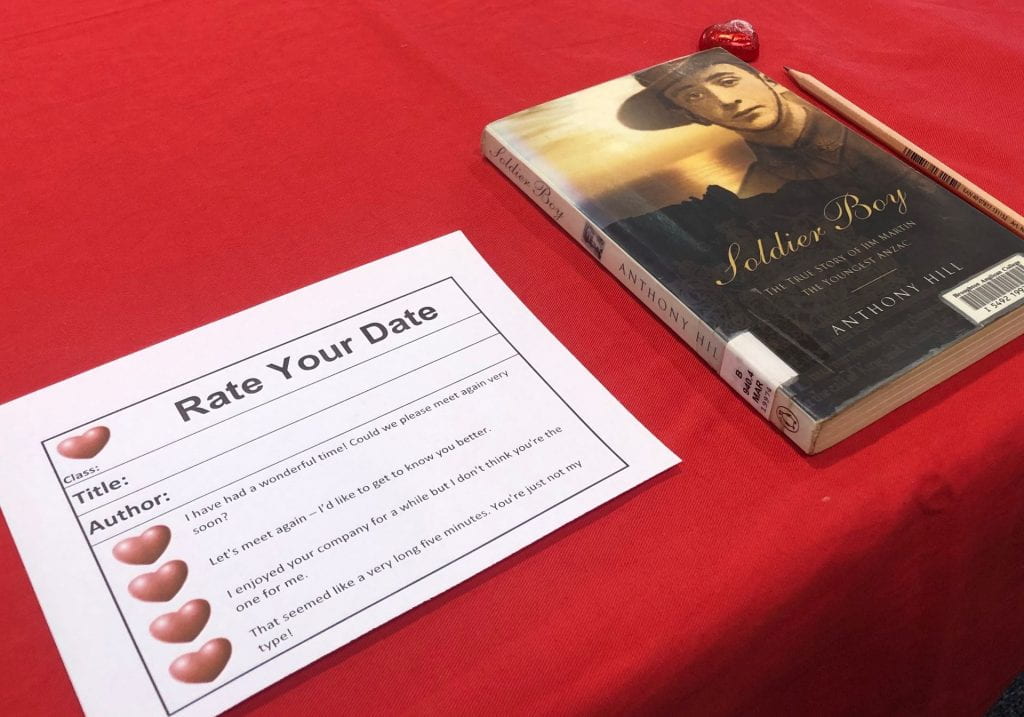
The IRC has a display of just a few of the books from our collection on Gallipoli and the ANZACs for students to browse. (Note the recipe for Anzac Biscuits – these were sent to the troops from the home front and were notorious for “keeping well” for so long!)

The website advertised in the display www.anzacsite.gov.au links to many other online resources from a number of collections. It is the official Australian Government site for ANZAC information.


Maurice Saxby – A real inspiration to all Teacher Librarians – and to this Nanna as well!

April 18, 2012

Maurice Saxby spoke at the Awards Night for the School Library Association of NSW on 30 March held at the Children’s Bookshop at Beecroft.

In 1955 Maurice Saxby was the second Teacher Librarian ever to be appointed to a school in New South Wales. He has inspired teachers and Teacher Librarians for many years and his book “Give them wings” impelled many to offer exciting opportunities for children to experience literature.

He spoke of his own encounter with books and reading as a young boy and told us of the influence of the special teachers he had as a child – who inspired in him a love of literature simply by reciting a poem or leading a discussion.  Teachers, parents and even ‘Nannas’ still do this today but we now have at our fingertips so many rich resources to extend these experiences even further.

Maurice told us why reading literature is important: “Apart from what we see about human beings when we read and what we find out about life, we’re attuned to story and to the shape of story and to the way words work.”

The night of the awards I went to stay at the home of my son where I regularly read books to my two granddaughters and we make up and enact imaginary stories. With renewed energy to instill a love of literature and reading into the lives of these two little girls, aged two and four, I seized hold of opportunity and here is what enfolded the next morning.

As usually happens, the four year old commandeered my iPad to open a folder full of books and activities selected for her. The younger two year old went for my iPhone where she too knows how to open relevant folders and spends a lot of time looking at family photos and videos of herself in particular! This photo was not “set up”!


Miss Four had, on a previous occasion, asked me to get the “Playschool App” as she had seen it advertised on Playschool and it had cool puzzles in it! I had done so and she now was looking at a previous episode of Playschool she had found on the app – streamed live from the ABC website. She was watching the reenactment of “The Hare and the Tortoise” and we discussed the meaning of the fable and the saying  “Slow and steady wins the race”.


I was a little dismayed to find there was no print copy of the story in this home to read to the girls – Nanna will have to rectify that!


Later I took the girls outside to play.

“Lets play races”, said Miss Four…

”I’ll be the tortoise and you can be the hare,” she said to her little sister.

“Well, we’ll need a washing basket and some ears,” I said.  So she ran off and came back with some ears out of the dress-up box – left there from Easter bunnies last year. The washing basket was emptied and straps were attached to it by her mother.

With very little help from Nanna the story was enacted – again and again! The little hare asleep on the mound of the basketball stand was just beautiful… then she awoke just in time to see the Tortoise win the race!


Later in the day when the technology was again “picked up” Miss Four asked if there was a book app for the Hare and the Tortoise. I found a traditional version with original pictures as well as a more modern version. Both offered read-a-loud support and some interactivity. A couple of dollars later we read both versions together and Miss Four mastered all the activities – while Miss Two once  again watched herself in family videos on my phone.


An exhausted Nanna was sure by the end of the day that both girls had encountered literature in many engaging ways – a day we will all remember! Thank you Maurice!


Science Activities and Investigations

April 5, 2012

Students – this link is for you:  Do you like online games and activities?

Are you interested in

  • forensic science
  • neuroscience
  • investigating drugs of abuse or how alcohol affects the brain and body systems
  • microbiology
  • the scientific method
  • infectious diseases
  • careers in science (virtual activities)

….. this site is for you to explore these holidays! It offers an interactive fun-filled adventure in learning.


Zygote Body: 3D body systems

March 27, 2012

This free tool allows a 3D view of the human body and it’s systems – from any angle and any size. It is necessary to use a good browser such as Firefox or Chrome. Similar iPad Apps are available but are expensive and for the average student with only computer access this free tool is certainly adequate.


“The very hungry caterpillar” – an older book that will never die

March 22, 2012

Eric Carle wrote and illustrated this book in 1969. It is still a favourite of children young and old and the book is used every year by our Kindergarten teachers to teach students about life cycles. Naturally, art work follows and Kindergarten’s creativity is on display and being enjoyed by the whole school in the IRC for one more week.


E-Portfolios for reflection and goal setting

March 21, 2012

Traditionally schools have collected student work samples to store physical examples of accomplishment and compare individual achievement over a period of time. E-Portfolios have so much more potential. They can be used to “help students find purpose and passion through reflection and goal-setting” as they develop their own record of learning. Dr Helen Barrett explains how it is possible to incorporate the use of digital tools in learning to achieve this goal.